
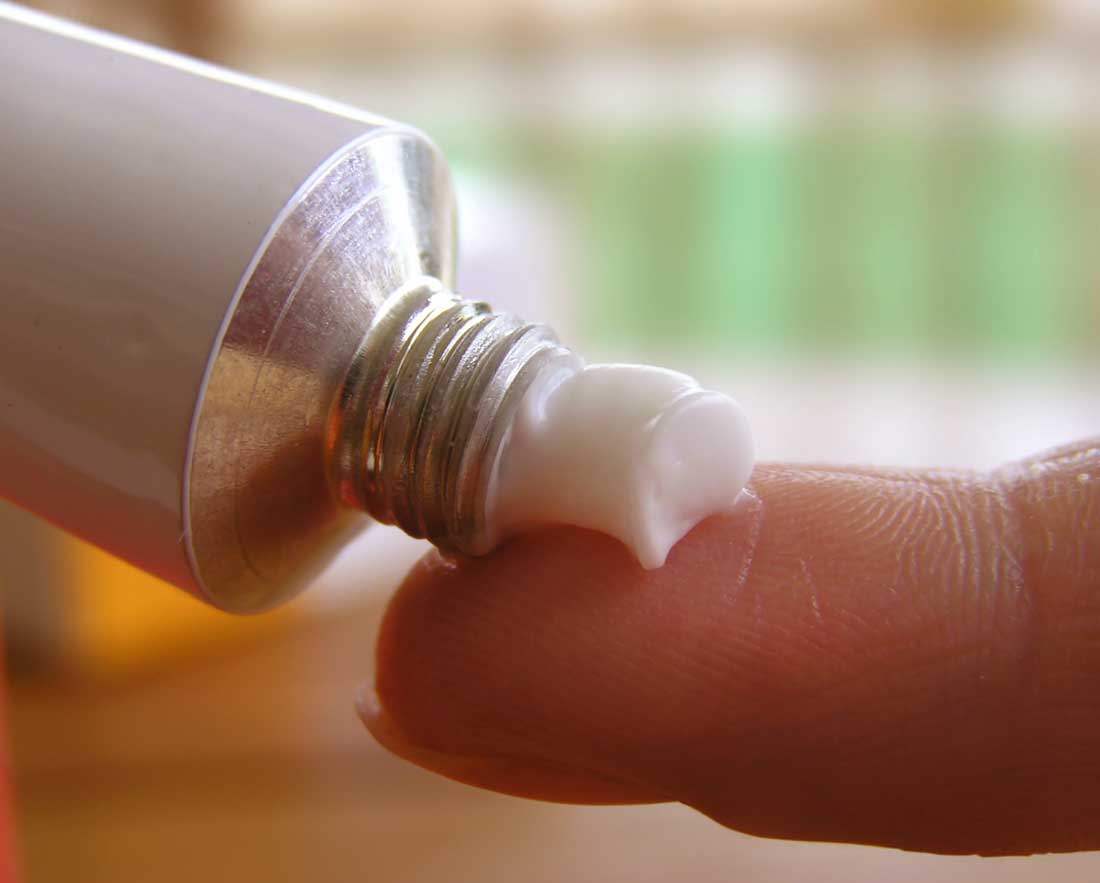
Benzoyl peroxide has become somewhat of a boogieman in the natural acne treatment movement. And there’s no shortage of myths like ‘my skin gets addicted to BP’ and ‘when you quit your acne comes back with a vengeance’. As with all myths, there’s grain of truth in those, but they are ultimately based on misconceptions. I think this is sad, because these myths cause people to shun this cheap and potentially effective acne treatment.
There are, of course, legitimate reasons to avoid benzoyl peroxide, such as allergy, but I believe most people shun it for the wrong reasons. So give me a few minutes and I’ll do my best to set straight some of the myths. And once I’m done ‘promoting’ it, let me tell you why I quit it and some experiences after it.
What BP does and how it works
According to Wikipedia benzoyl peroxide is an organic compound of the peroxide family. Upon contact with the skin it breaks into benzoic acid and oxygen, and this oxygen acts as a free radical in the skin destroying cells and bacteria it comes in contact with.
To understand why it works we should take a moment to understand the earliest stages of the acne formation process. As a skin pore gets blocked because of excess keratin, sebum and dead skin cells, it forms a microcomedo, basically just a fancy medical term for a blocked pore. At this stage there are still no (abnormally high numbers of) bacteria in the microcomedo, they will set up a shop little bit later.
BP can prevent acne at this stage because the oxidizing action destroys the cells that block the skin pore. At later stages of acne formation it can control inflammation – by destroying the white blood cells that trigger the inflammatory process.
It’s not exactly a precision weapon, and I have to admit there’s certain appeal in this blunt force approach. Regardless, there’s no denying the fact that BP works. It’s one of the most successful acne treatments ever discovered.
Almost everybody uses it the wrong way
Unfortunately most acne treatments use benzoyl peroxide the wrong way. Their idea for treating acne is to heap BP on top of BP and finish it off with a little bit more of BP. It’s almost as if these people believe acne is caused by lack of BP on your face!
Researchers and dermatologists have long believed that the P. Acnes bacteria initiate and cause acne, and therefore a lot of the research has been focused on ways to kill it. But already 50 years ago there was data to show this view is incomplete and misses the point on acne. That it was oxidative (or inflammatory) damage to the fatty acids in sebum that starts acne. In doing research for my book I’ve read several studies that show inflammation contributes to both excess keratin and sebum production. And biopsies have shown inflammatory damage even in the earliest stages of the acne formation process.
Not to mention that many modern studies call into question the role of bacteria in causing acne, such as this one.
Comedogenesis appears to be independent of bacterial infection and may be driven by high levels of bioactive interleukin-1α derived from ductal hyperkeratinocytes.
Eady E, et al. Is Acne an Infection of Blocked Pilosebaceous Follicles?: Implications for Antimicrobial Treatment. American Journal of Clinical Dermatology. July/August 2000 – Volume 1 – Issue 4 – pp 201-209.
This is not to say that bacteria don’t affect acne. They absolute do have a role to play, but it only comes later when the comedo has formed. They colonize the blocked pore later and in doing so ramp up inflammation in the area.
The problem with heaping BP on top of BP to treat acne is that it misses the mark on how acne forms. It can still be effective, but in doing so you are subjecting your skin to a lot of unnecessary stress. And this is how a lot of those misconceptions about BP are born. If you rely too much on it, you aren’t really taking care of your skin. What you are doing is ‘nuking’ away the problem. And because your skin is not in good condition, your acne will come back worse when you stop using BP.
The role of antioxidants
Luckily there’s a better way. Much better way. If you treat acne ‘the right way’, before it even gets a chance to form, you can save your skin a lot of trouble and you don’t have to worry about the post-BP mess on your face.
As I mentioned above, there’s good evidence to show that we can cast the blame for acne on inflammation. This initial inflammation stimulates keratin and sebum producing cells to ramp up production that then leads to a blocked pore. It also consumes oxygen from the blocked pore and thus creates the ideal environment for P. Acnes bacteria to thrive.
This theory states that if you could protect your skin from inflammation you could prevent acne. And there are quite a few studies that show this indeed is the case – at least to a degree. For example, studies have pitted vitamin B3 and vitamin C derivate sodium ascorbyl phosphate (SAP) head to head against both benzoyl peroxide and topical antibiotics. While not conclusive, the results from these studies are encouraging. Both B3 and SAP have been found equally effective or even better than BP or topical antibiotics, the current gold standards in acne treatment. I should say that I’m talking about topical application of vitamin B3 and SAP, not supplements.
The right way to use BP
Though the results from these studies are encouraging, I don’t mean to say that antioxidants can completely prevent acne. Perhaps for some people they can, but I still think in most people they can cut down on your acne a lot but don’t get rid of it completely.
And that’s where the smart use of benzoyl peroxide comes into play. Instead of heaping on BP on top of BP, I think it’s a far better idea to use it ‘strategically’. To use it little bit to open the skin pores that got blocked despite the antioxidants and to keep bacteria under control. This way your skin doesn’t get ‘addicted’ to BP and quitting it won’t make a complete mess of your face. You aren’t relying on BP completely, you are just using it to finish the job.
This is also the reason I like Exposed Skincare and keep promoting it on this blog. I don’t pretend that it’s perfect. I still think it relies a little too much on BP and salicylic acid, but those are balanced with green tea and other antioxidants. So it should be far gentles of your skin than Proactiv or other acne treatment brands.
My experience in quitting BP
To put my money where my mouth is, I stopped using BP a couple of weeks ago. Mostly out of curiosity. I wanted to see what would happen to my skin after I stopped using it. To see what the fuss about it is. I wasn’t using a lot of it. I only applied 2.5% BP cream once a day, and 30 minutes later I followed it up with an antioxidant cream that contains green tea and resveratrol and little bit of tea tree oil. So I was doing what I’m recommending you to do, and BP wasn’t a huge part of my skin care regimen. I also wanted to see how much of my success was due to BP and how much was due to the other things I’m doing.
As I was using BP my skin was more or less perfect. I got perhaps one small red dot on my face once a week, and even that was gone the next day. My skin was still somewhat oily but I wasn’t breaking out at all.
After I stopped using BP… well… things remained more or less the same. During these 2 to 3 weeks since I stopped using BP I haven’t noticed big changes on my skin. It has gotten little bit worse. I do notice that I get a few more small red marks, but you wouldn’t notice those without careful scrutiny, and they are gone within a day or two.
Of course 3 weeks is not long enough, and perhaps my skin takes a dip sometimes later. I doubt it, but it’s a possibility.
Conclusion
I hope this article has cleared some of the confusion surrounding benzoyl peroxide. I do think there’s a role for it in most skin care regimens.
Unfortunately most people use it the wrong way, which can lead to problems. Such as your ‘skin getting addicted to it’. But when you use it correctly, and take certain precautions, it’s both cheap and can do miracles.
UPDATE
It’s been almost 6 months now since I wrote this post. My skin hasn’t suffered any negative consequences of quitting BP. So it looks like topical antioxidants are working nicely for me. I get acne when I eat something that upsets my gut, but as long as my gut is functioning well my skin remains clear.

Hi,
Any thoughts on retinoids? I believe they are the most effective topical treatment by dermatologists and is backed by alot of studies. Accutane is a derivation of retinoids, but is considered too risky. Thanks 🙂
I mostly focus on OTC treatments and other things people can do at home on this blog. So I haven’t delved into the literature about retinoids. But yes, they should be effective for a large number of people.
How about claims about benzol peroxide causing premature aging? I have very oily skin and good genetics (my mother hardly has any wrinkles at 60), and yet have managed to developed pretty visible lines under my eyes by the age of 25. I have been using BP twice a day for 4-5 years.
All drugs of course have a possibility to cause side-effects. I wasn’t arguing that BP couldn’t cause any negative effects. My point was that when it’s used properly the benefits from it very likely outweigh the downsides. And to dispel some myths and fear-mongering related to BP.
BP is an oxidative agent and as such I imagine it could cause premature aging of the skin. That’s one reason I recommend following it up with antioxidant cream or moisturizer.
One could also say that ACNE does cause a lot of oxidative damage to the skin, and that BP can reduce oxidative damage and thus protect the skin.
As to your case, it’s possible that the lines are caused by BP, but it’s equally possible they are caused by something else. We just don’t know. Just because your mother had hardly any wrinkles before 60 doesn’t mean the same would happen to you. That’s not how genetics works.
I did try for about a month using BP on my face, I got rather different results than expected. Along with no difference to my acne, my skin became more red and irritated, is a whole month still not long enough for my skin to get used to BP? In saying this, I have severe acne that seems far more difficult to treat than mild to moderate acne, do you think this is why BP won’t affect my skin in the desired way? I also wondered, most products using BP have many other unpronounceable ingredients that could also be the problem or solution, how do people know it’s the BP impacting their skin when there are many more ingredients? And how am I meant to trust these products.
The impact of ‘unpronounceable ingredients’ on the skin is generally overblown. There are some irritating substances that can cause skin problems, but I believe this is less common than many people think. BP is an oxidizing substance. It generates free radicals in the skin, which both kill bacteria and irritate the skin. Without sufficient antioxidant protection, oxidative damage makes your skin red and irritated. In your shoes, I would stop using BP as it seems to be too strong for your skin.
I had horrible acne for many years, until after menopause. Even then I had the occasional breakout, so I went back to using BP.
I still use it. I’m 60, and I just have lines around my eyes, much as you would expect for a 60-year-old. I think the BP is still having good effects on my skin.
“It works for me.” 🙂
Thanks for sharing, Pam!
Hi. So if I can understand you correctly, the right way to use the BP is to apply in a small amount or a thin layer and top it with an antioxidant moisturizer, correct?
Correct. I would also recommend waiting for 30 minutes before applying the antioxidant moisturizer. There’s a slight concern that when you add vitamin E (and maybe also other antioxidants) shortly after BP they increase oxidative damage instead of reducing it. This was shown in one petri dish study, and we can’t yet say whether this happens in humans, but it’s better to play it safe.
Oh btw, what do you think about applying BP gel (just a thin layer) on areas with no acne but acne-prone? Is it OK to do that? My acne has already cleared on few areas on my face, but I still continue putting BP gel on those areas.
BP doesn’t cure acne, just keeps it under control. So you need apply it on all acne-prone areas.
Thanks for the reply. I’m in love your website!
Ila, your English is better than many people who grew up speaking English! You are doing very well with it!!
Pam
But how do you know that applying the antioxidant moisturizer 30 min after BP will solve the problem? What if the antioxidant moisturizer still increases oxidative damage to BP even after waiting 30+ min?
I don’t know that for sure. That said, I don’t even know that the problem exists. This is a potential concern shown in one test tube study, but nobody knows whether this happens in humans. BP is quite reactive so it won’t hang around on the skin for too long. Is 30 minutes enough? Honestly speaking, I can’t say as I don’t know of any studies that would have looked at how long BP remains active on the skin. I also wanted to avoid making people wait for too long as it makes morning routines impractical.
Ok thanks a lot for the info. Good stuff 🙂
Hi !
I have a question about BP: When a cleanser or a mask contain BP does it have the same effect on skin than cream or gel? When you just clean your face with a product which contain PB, it does not stay on your skin all day so maybe the consequences/bad effects on the skin are not the same (aging etc…). I ask the question because I used during several years a cleanser/mask (Neutrogena Visibly Clear) that contains BP and I did not notice any problem on my skin, on the contrary my skin was perfect as never. I have no acne but this product improved the quality of my skin.
What do you think ?
(Sorry for my english, I am french!)
BP works both on washes and other rinse-off products as well as on leave-on creams and lotions. Obviously it’s somewhat less effective if you rinse it off, but studies have shown it can reduce acne. So even in washes it will have oxidative effect on the skin and as such may accelerate skin aging. That said, I wouldn’t worry about it too much. At least for people with acne, the benefits of correctly used BP are usually bigger than the somewhat mild side-effects it causes.
Your English is just fine. I have a French friend here in Thailand who’s an English teacher – an oxymoron if there ever was one 🙂
Can you update us on how your skin has been since stopping use of the bp and how many weeks its been? Also how did bring yourself off the product, did you just stop using one day, or did you gradually wean yourself off it by like applying it every 2nd day for a week, then every 3rd day the following week etc? Thanks
My skin is still clear and I didn’t experience any negative consequences coming off BP. I’m not completely clear 100% of the time. Maybe I’ll get a red dot or two per week, but I rarely even notice those.
I just quit it, but it should be said that I only used it once a day. So it’s not like I was lathering it on 3 or 4 times a day and quitting cold turkey.
It’s been almost 5 months now, so I don’t think it’s going to change.
Oh ok, I have only been using it once a day too and I havent had a spots since using it, but the harshness/dryness/sunburned looked from the irritation causing redness to my skin from the product means Im planning on stopping. But am apprehensive about initially coming off it because I assume its going to take a couple of weeks before the irritation goes away, what did you find? And do you use any topicals on your skin or wash with any cleansers now since having better skin, have you ever experimented with or without cleansers (because I see alot of conflicting opinions on whether cleansers cause more harm or good) Im planning on using just warm water to wash rather than a cleanser?
Sounds like BP could be doing more damage than good in your case. The irritated feel and sunburned look means it’s causing inflammation in the skin. Dryness could indicate that it’s damaging the skin barrier function, leading to excessive moisture loss from the skin.
If you just started using BP then some such symptoms are normal. It takes a few weeks for the skin to get used to BP.
Anyway, to avoid symptoms like you described I recommend combining BP with antioxidant moisturizers. I have always done this and I’ve never experienced any side-effects from BP.
I wash my face with vitamin C cleanser and afterwards apply water-based lotion with niacin. So far it’s working as well as BP.
There isn’t a lot of research done on cleansers, but what little there is shows they have little to no impact on acne. I’m talking about normal cleansers that don’t have any antioxidants or active drug ingredients. They are still better than soap as soap will damage the skin barrier function.
I talked a lot more about topical treatments and how to choose the best combination for your situation in my book Clear for Life (shameless self-promotion, lol).
also how bad was your acne before you decided to start using BP?
It wasn’t too bad anymore, not as bad as you’ll see on the About Me page. Using diet and lifestyle I had it somewhat under control, but still had quite a bit of redness and small pimples around my mouth. It wasn’t bad but it wasn’t really minor either.
I started using bp 2.5% since 5th of this month. I use it once a day and i see a little improvement of my acne, but the red spots have got more darker. Why is that? and i wanna know how long does bp takes to clear acne?
I have heard its an exfoliator for the skin. is it true? so does it help fading very very shallow scars?
I can’t comment anything useful on the red spots getting darker. BP does exfoliate the skin, but I doubt it has any effect on scars. You need something stronger to treat those.
Hi I’ve been using bp for about 1.5-2 years. I made the mistake of lathering a lot of it on my face a couple times. I slowly realized my face was getting more oily and oily overtime but the bp did keep my acne under control. Recently my face has been too oily for me as I would get irritated at how many times I had to wash my face a day (and just the feeling of being greasy). I decided to stop using Bp and switch to a salycylic wash instead. My face is still oily and now since I’m not using bp it’s breaking out again slowly. What should I do to counteract the oily skin and the acne? Go back to bp but use it lightly with an antioxidizing cleanser as you said? Stick to the salycilic face wash? Try and get Accutane presribed?
I’m not sure you can conclude, based on your experience, that it was BP that made your skin more oily. Sebum production is largely (something like 70%) under genetic control and there’s not much one can do about it. I did cover some options in another post.
No matter what else you do, I would recommend using an antioxidant moisturizer/cream. There’s no harm in using them. For oily skin look something that has green tea and/or l-carnatine, both can reduce sebum production. For the general ‘greasy’ feeling, you can get face wipes from pharmacy that are designed to mop up oil from your skin. They don’t have any effect on acne, but they help you to feel better about your skin.
I’m not sure it matters whether you use BP or salicylic acid.
Also thoughts on jojoba oil?
Not really. I know some people like the oil cleansing method or using oils on their face, but there’s no scientific evidence on the topic. Personally, I find using oils on my face too much of a hassle.
my name is Raul, and i had a breakout and i went to the doctor and she prescribe me BP and tretionion gel and i be using it for 8 week and all my pimple, zit and zit are gone but my face is red and a little sensitive my question is why? and how can i reduce it
Am I to understand that the antioxidant cream + tea tree oil are the only acne treatments you’re using at this time? Are you also using this cream as a moisturizer/your only moisturizer?
May I inquire as to what cleanser you use?
Thanks!
I don’t use any ‘medications’ to my acne anymore. Here are the things I use:
3% AHA face wash
https://www.iherb.com/beauty-without-cruelty-facial-cleanser-3-aha-complex-8-5-fl-oz-250-ml/9574?rcode=kmd933
Moisturizer/after wash antioxidant cream:
https://www.iherb.com/palmer-s-eventone-dark-spot-corrector-cocoa-butter-formula-1-fl-oz-30-ml/46003?rcode=kmd933
That cream is marketed as ‘dark spot corrector’, but it contains most of the antioxidants proven to help acne. I don’t use the tea tree cream anymore.
These are enough to keep my skin clear, at least as long as I don’t eat anything that upsets my gut.
A few weeks back I also started using retinol cream to see if it has any effects on some post-inflammatory red marks I had. Here’s the cream I’ve been using:
https://www.iherb.com/skin-by-ann-webb-super-retinol-slow-release-retinol-cream-1-fl-oz/47740?rcode=kmd933
So far the combination has worked quite well for the few red marks I had left. It’s a slow going, but they are fading little by little. Can’t say this for sure, but I think the retinol cream has also made my skin less prone to breakouts when my gut starts acting up.
How do you use the following products in order then? Palmer’s before The retinol cream or after?
I use Palmer’s in the morning and retinol in the evening. Sometimes I also use Palmer’s in the evening, after applying and allowing the retinol cream to sink in.
Are Palmer’s and the Retinol cream by any chance moisturizers? You think I would be able to use the Madra Labs Green tea cream after applying both of those creams or is that maybe too much?
Both can work as light moisturizers. To me Palmer’s is very similar to Madre Labs in that regard. If you already have Madre Labs, you can just keep using that. I doubt that you’ll find much difference in the effectiveness of the two.
Well.. I was thinking of continue using Madra Labs because of it’s DHT blocker effect since I’m training. So I was thinking that once I finish my current regimen I will use the following products in the following order:
Am:
Avalon Vitamin C cleanser
Palmer’s cream.
Madra Labs Green tea cream.
Pm:
Avalon Vitamin C cleanser
Palmer’s Cream.
Retinol cream by Ann web
Just to get the benefits of both things.
Just to confirm to properly use BP, apply 2.5 percent to the parts of your face which have acne, wash of after 30 mins and apply an antioxidant cream or oil.
More or less, but you don’t have to wash off the BP cream. Just apply the BP cream as you normally would and then about 30 minutes later apply an antioxidant cream.
Hello, couple of questions 1. I have been using 2.5% BP and washing it off after 30 mins and applying antioxidants is the how it should be used? 2. I have been using BP for a while now, except some days i forget or don’t bother to apply BP is this a problem and should be used consistently over a schedule? I have had no improvement with my acne and redness, willing to try anything if you have any advice. Thank you!
I’m not sure you have to wash it off as BP is rapidly metabolised at the skin. During the days I use BP I just wait 30 minutes and apply my antioxidant cream on top of BP. You’ll usually get the best results if you are consistent.
I don’t know what you have done already, but I would look into diet and lifestyle causes. If any such are present there’s only so much topical OTC treatments can do.
Sorry, just wanted to add is it necessary to use BP consistently over a period of time or can I just use it when my acne is looking bad?
Obviously, it’s more effective if you use it consistently. That said, I only apply it occasionally – maybe once a week or so. Just know that for BP to effectively keep acne under control you have to apply it before the breakout gets really started. Once you have an inflammatory pimple on your face it’s already too late, BP won’t make it go away any faster. You have to use it to catch the pimple at the very earliest stages.
Seppo,
I’ve been using Exposed Skin Care system as per your recommendation in the book. It has improved my skin in terms of acne lesions but I’ve noticed my entire face has gotten darker from using the products. And I mean literally from the neck up (on the areas I apply the creams), my face is a few shades darker than the rest of my body. It looks like I have a have a huge face tan. This is kinda upsetting and I’m not sure if its being caused by the BP or SA or both. I have naturally tan asian skin.
What would you recommend I do? Or what would you do in my shoes? I hope you can help!
This sounds really weird, and not something I’ve heard before. I don’t know which part of the world you are in, but perhaps it’s possible that the BP in Exposed somehow negated sunscreen. Do you think that’s possible?
In your shoes I could contact both Exposed and your doctor about this. I would also stop using anything with benzoyl peroxide until you know better what caused this.
well im using benzoyl peroxide for 2/1 Months , it worked for me..im using 5% and im also using cetaphil moisturizer and face wash 🙂 But BP worked for me ..:) but
I’ve been using azelaic acid for about 6 weeks now, and though it helps marks fade faster,it doesn’t really prevent new pimples from forming. I used to get 2/3 zits a month, and azelaic acid made my skin purge really bad initially, and I am still getting more zits than before. It does bring zits to a head faster, and helps with the pih(my biggest concern before starting acne treatment,), but my face is a bigger mess now than ever before!! So I am excited to incorporate bp into my regimen, and as Seppo had stated, use it strategically. Thanks for the info.
If you are battling with hyperpigmentation, I recommend trying retinol and vitamin B3 or C. Studies have shown good results with each of those ingredients, more or less equivalent to what you get from hydroquinone. Check out the free skincare product report I have available. In your situation I would try the retinol and dark spot corrector creams in combination.
Hi im Fraser I been using benzoyl peroxide only for 3 days now for acne on forehead. I’ve been getting dry/ flaky skin so I bought Neutrogena Visibly Clear Oil-Free Facial Wash 200ml and Neutrogena Visibly Clear Oil-Free Moisturiser 50ml. Can you tell me if these are the wrong products I should be using for dry skin.and what I should be using
Neutrogena usually makes good products. If I were in your shoes I would use some moisturizer with antioxidants, they can help to repair the skin barrier function and prevent dry skin more than normal moisturizers. Check out the free skincare products report I have available here for suggestions.
Seppo, fancy doing an article on salyclic acid, I don’t know much about it (brands, how long, how much, whether to use with BP etc) cheers.
Hi Paul! Sure, I can do that. Please drop me an email with questions you’d like to see answered.
I was wondering today whether to go for salicylic acid or BP and I chose BP. I hope it was the right choice. Do you think it’s a good idea to use it only when something in my lifestyle makes it possible to get acne (lack of sleep always gets me)? And also only use it before my period when I break out but not in the first 2 weeks of my cycle when my skin is more or less clean? Do you think that’s a good strategy? And if BP will not help a pimple heal faster what will?
I would go with BP over salicylic acid, assuming your skin can tolerate BP. BP is more effective and it’s not absorbed through the skin. SA actually gets into bloodstream and there have been documented cases of deaths due to topical use to SA. That said, don’t panic. In all the cases the people used much higher concentrations over large body area. If you just use SA on face it’s unlikely to cause any problems.
You should use BP (or whatever you choose) before you start breaking out. There’s not much you can do once a pimple gets started – short of getting a cortisol injection. Topical treatments can prevent acne formation but they can’t do much on existing pimples.
Well, actually, I’m using a cream with salicylic acid and niacinamide right now and it did make my growing pimple not get as big as it usually does.
Does BP help with blackheads? Is there any way to get rid of existing blackheads save for mechanical extraction? My skin is too sensitive with visible capillaries so mechanical extraction is out of the question.
Did you use sunscreen while you were on BP? It says it can make the skin more sensitive to sunlight, is sunscreen necessary if you are going to use it during the night?
Hello Seppo. Thanks for everything you do! I was just wondering how you apply the BP. You said that you may only use it once a week now, but that once a pimple is formed it is too late. So…how do you know where to put it? I am hesitant in putting it all over my face. Thanks!!
I have little bit of an advantage here because I’ve learned to recognize the signs that show I’m about to breakout. For me it’s easy because my acne is linked to gut health. So when I get digestive issues, constipation, bloating, etc. I know that I’ll get acne a day or two later. So I’ll use BP during those times to mitigate the damage. I know that knowing when acne strikes is much harder for others.
But honestly speaking, I rarely use BP anymore. I use it maybe a few times a month. After using topical antioxidants for so long, BP just makes me skin feel very dry, and it feels like it’s burning my skin. I guess my skin has gotten used not getting dosed with BP, so I rarely use it anymore.
Thanks. I noticed that since using antioxidants, I have had dryness using the BP, although only putting it directly on the acne spots. Gut issues are a good way to gauge whether you are going to have a breakout, I guess. That is something I will definitely consider. When you do use it, how much do you use? I’m assuming you have to put it on the general areas where you are prone to breakouts, right? I did the acne.org regimen for years, but haven’t touched BP in over a year, so I am hesitant in slathering it all over my face again.
Gut issues won’t predict acne for everyone, so it may or may not help you. How much do I use BP? Not a lot. I apply about a pea-sized amount of the cream all over my face and neck.
Hi Seppo! Your article made me realize that I’ve been using BP incorrectly for a very long time, and now I’m worried that this will affect me negatively in the long run. Can I still save my skin? Should I try to wean myself off of it?
I don’t think BP will do any long term damage to your skin. It may make your skin more sensitive and irritated, but you can reverse those with topical antioxidants. I can’t say if you should or should not use BP. I have nothing against it, and it can reduce acne. In your shoes I would add topical antioxidants to my skincare regimen and see if you still need BP. I wouldn’t cut cold turkey, but you can try reducing usage; using less when you apply/ using only once a day (instead of morning and evening)/ using only every other day, etc.
Hey Seppo. Thanks for the great article. I have been using OXY Acne Medication Face Wash with 10% BP once a day for about 5 years (maybe longer). Ever since I was a little kid I have had moderate acne problems and a very shiny t-zone. I stopped using OXY about a month ago because I figured that if my towels and shirts were bleaching from my face wash, I was doing more harm than good. I probably should have done it sooner but it solved my acne problems. Since quitting I have been breaking out pretty bad around my mouth and chin and I am still just as oily. Is there a suggested time frame that I should start seeing better results? How long should I “wait it out” before I try to find a different solution?
Just because BP bleaches towels doesn’t automatically mean it’s bad for your skin. As you pointed out, it kept your acne at bay. There’s no need to wait before you start using other products. In your case, I wouldn’t completely cut out BP, since it’s helping you. Here’s what I’d do in your case:
– Keep using BP wash, but maybe switch to 5% concentration.
– Apply an antioxidant cream after you wash your face, but to minimize BP reacting with antioxidants, I recommend waiting at least 30 minutes after washing your face. For antioxidant cream recommendations, please see this free resource guide: https://acneeinstein.com/5-awesome-all-natural-creams-for-acne-prone-skin/
Is it alright if I just use BP as a spot treatment maybe?
I don’t see why not.
I’ve had terrible acne throughout my teenage years. I’ve used some remedies and things and it helped a lot on the right side of my face but my left side has stay troubled. My right side doesn’t break out or anything. It was always bad for a long time but never got clear and then bad again. I’ve tried limes on my left side but it turned out I was allergic to limes and my face got so bad. It took a few months but when all redness and everything was gone my whole face was clear and stayed clear until around May 10th. Then my left side broke out again. I couldn’t find my Benzoyl Peroxide I once had and didn’t have any money so I tried wet toothpaste and it helped a little but it never went away. I felt miserable because my birthday was May 18th and it’s around that time my face got bad again. A few days after that I was supposed to go to an eating disorder part of a hospital so I did. My parents gave me money and at the hospital they went to a store for us. I gave them money hoping they had benzoyl peroxide because of my past use of it and they did (specifically Oxy Maximum Action Advanced Face Wash 10% Benzoyl Peroxide) and it helped my face so much there. I got kicked out though and got transferred to another section of that hospital. That’s really when everything started getting bad again. They gave us cheap razors to shave and they gave me bumps. I was focused only on the new bumps and quit using it on where the old acne was until just 3 or so weeks later at home. Besides those shaving bumps my skin looked good but mysteriously I had some sort of second reaction to my face or something because my left side of my face got really red again. Because of the allergic reaction I thought I knew what to do. I used ice on it and it really helped the upper part of the redness and was helping the bottom but suddenly I broke out on and around where the redness was. It’s really just a little pink as I currently type everything. So because it got less bad I started focusing on the acne again. Up until recently I was using benzoyl peroxide how you said I was supposed to but I’ve recently been applying up to 3 layers of it on top of each other and it was 2 today before I read this article. I think it has helped some but it hasn’t been helping much and I feel so terrible about my appearance. I’ll start just applying 1 layer. What else has been different is I’ve been leaving it on my face for maybe 15 – 25 minutes this time as to where at the hospital I washed it off immediately to not be seen with anything on my to avoid questions and anxiety in general. At the part of the hospital I was transferred to I shared the same bathroom WITH FOUR PEOPLE… So it was prone to happen. I got walked in using it and got questioned and everything and was so embarrassed and felt awful. I was using the benzoyl peroxide on the shaving bumps and I barely see them now so I guess they helped or went away naturally. I also forgot to mention I haven’t been washing my face before using the benzoyl peroxide since I’ve been home. I don’t have the money to buy the things you’ve said to use with the benzoyl peroxide so I’m hoping the benzoyl peroxide helps me a lot more when I start using it how I was at the hospital. I googled how long to leave the benzoyl peroxide on your face and that’s actually how I found this article. I found no answers so I’m assuming to just wash it off immediately?
If you aren’t applying anything after BP, then there’s no need to wash it off.
Oh. I assumed you were meant to. I’ve been doing that again since I’ve posted that first message on here and it really has been making a big difference where as leaving it on longer didn’t help as much. My face is a lot better after I’ve been using the benzoyl peroxide and washing it off immediately after putting it on. I’m really glad I stumbled across this website. I may need it more in the future. The pink I’ve had has also gotten better after I quit putting benzoyl peroxide on it too. I can honestly only see it and the acne in pictures of just that side of my face, not regular pictures
OK, it sounds like BP is a bit too much for your skin, or you’ve been applying too much of it. By washing it off you make it less effective but also gentler on the skin.
So from what I understand from your article, inflammation causes the excess production of sebum and keratin which then blocks the pore. That inflammation also consumes oxygen causing bacteria to thrive. So that cause and effect action is the how acne comes about.
-So without this bacteria, the pimple would never have happened or it wouldn’t be as severe?
-And what causes the inflammation in the first place?
Thanks for your time!
More or less yes. Though I’m not quite sure how much inflammation affects sebum production. It may increase it, but I don’t think inflammation is a major factor in sebum production.
That’s what the research seems to suggest. There’s quite good evidence to show pimples can start without bacterial involvement. However, once bacteria colonized a blocked pore they increases inflammation in the area exponentially, essentially turning blocked pores into inflamed pimples.
Could be many, such as:
– Environmental irritants, like UV radiation and air pollution
– Stress
– Diet, I’m not quite sure about this, but it seems that diet can influence the immune system and may make it more sensitive to pathogens in the skin
– It’s also possible that bacteria trigger the initial inflammation to start a pimple, though pimples can start also without bacteria
Disregard the above questions. I have been reading the articles on your site and those questions have been answered! Sorry! I should have read more before posting a question.
Thank you! I’m so glad I found your site 🙂
I answered them anyway. Perhaps other people are also wondering the same thing 🙂
I don’t think I’ve been applying too much these last two days or so. I was when I first got home from the hospital though. Yesterday at night I just used toilet paper to remove it instead of washing it off and both ways have been really effective for me. I barely see one of the acne bumps and the other is also significantly better. I also forgot to mention that I’ve also used salicylic acid in the past but it didn’t help me much, if at all
If you wipe or wash off BP from your skin then obviously the portion wiped/washed off doesn’t affect your skin and you end up using less of it. That’s what I meant by applying ‘too much’. I admit that it wasn’t a particularly good choice of words though.
On most products containing benzoyl peroxide it says avoid unnecessary sun exposure and to use sunscreen. Did you personally do this or is it something not to really worry about? Also should I put benzoyl peroxide on areas that have been cleared of acne but are still red due to the acne since there are a lot of mixed opinions on this from what I researched. Thank you.
I don’t wear sunscreen, but then again, I don’t spend that much time out in the sun. And I probably should use it. Should you put BP on areas that are cleared of acne but still red? Depends. Is your acne going to come back if you stop using BP? If so, then you probably should use it.
Great article. What are your thoughts on AHA?
They are ok as part of a comprehensive skin care regimen. I don’t think AHAs alone have much of an effect on acne, but they can be helpful as a part of a skin care regimen. BHAs (like salicylic acid) would work better against acne since they are fat-soluble and thus able to penetrate into the skin pores. AHAs are water-soluble and affect the skin surface more.
Can you tell me what your exact method is? I’ve been using the acne.org regimen for a few years now and it’s cleared me up significantly but I’m 21 and have been using it since 17 so I’m scared to death that it might cause wrinkles early on. I quit using it for a few months and tried the oil cleansing method along with other natural soaps like turmeric soaps but nothing works like BP and it just lead to using a lot more makeup to hide more pimples, which I suspect lead to even more pimples. sigh. I’ve decided to go back on bp and found that it made my skin terribly flaky, which happened when I first started using, so I used some EVOO to help with that, but I’m still scared it would cause excess wrinkles. I’ve read that it stops vitamin E production in your skin? How do I use it minimally or even stop but find an alternative that will keep my skin clear? Please help if you can. Thanks!
I’m currently using BP in combination with 2 topical antioxidant products:
https://www.iherb.com/tr/cb?pcodes=MLI-00228_BWC-45380&rcode=KMD933
I apply BP about 30 minutes before the topical antioxidant products, to make sure BP doesn’t ‘attack’ the antioxidants in the other creams. I don’t use BP every day and I usually only apply it in the evening.
BP doesn’t stop vitamin E production in the skin. The skin actually doesn’t even produce vitamin E. BP does deplete vitamin E from the skin but it’s not a huge issue as it’s constantly replenished from the bloodstream.
Hi again, Sep.
I went to a dermatologist(for the first time) 2 weeks ago. He prescribed this: https://dailymed.nlm.nih.gov/dailymed/drugInfo.cfm?setid=a0610f87-3b39-458a-afa3-66be1fefd1de
It’s a combo of BP and Adapalene(a retinoid). Between this & BP alone.. w/c one do you think is better? I haven’t tried BP..
I’m sure Epidue is more effective than BP alone, but it can also be more irritating. If your skin has no problems with it, then by all means use it.
Forgot to mention that the dermatologist instructed me to apply Epidou at night & then apply vit. E cream in the morning. I plan to apply vit. E 30 mins. after BP. Hmmm
I came across this encouraging study showing that using resveratrol in combination with BP actually greatly enchanters the bactericidal effects of the latter, despite the fact that being an antioxidant and oxidant respectively their effects would presumably negated each other.
https://dermatologytimes.modernmedicine.com/dermatology-times/news/resveratrol-inhibits-growth-acne-causing-bacteria?page=full
I already use a moisturiser with resveratrol as per your recommendation (Madre Labs Green Tea lotion) and apply BP every night, but as you suggested I wait about 20 minutes after applying BP before I apply any moisturiser with antioxidants. But I wonder if waiting that long means that the resveratrol doesn’t have the opportunity to work synergistically with the BP? On the other hand, the Madre Labs lotion contains other antioxidants in addition to resveratrol that might counteract the BP if applied too soon. What are your thoughts?
I suppose I could only hope that BP manufacturers will take heed of this study and combine resveratrol into their products because then people would be able to use BP at much less harmful concentrations and enjoy the same benefits.
On that note I’ve been using a BP formulation that is much less irritating than any other I’ve tried. It’s a mixture of 3% BP and tea tree oil, as well as jojoba oil, witch hazel, macadamia oil, and others. It’s called BPT3.1 Clearoil and you can find it on Amazon. I recommend it for those who are sticking with BP but find the flakiness and dryness a real concern (as I have in the past).
This has been my routine for the past 2 months:
AM:
Wash face with water only
Apply 4% niacinamide gel
Apply Madre Labs green tea lotion
PM:
Wash face with AHA cleanser
Apply 3% BP/tea tree oil cream (only pea-sized amount to entire face)
Wait ~20 minutes, apply mixture of Madre Labs green tea lotion with retinol cream
I’m still getting pimples everyday but they’re at least much less inflamed than they were before I started this regimen. I might consider using niacinamide gel twice a day if I don’t see any further improvement, but I’m extremely hesitant about using BP more than once a day considering how much damage it has wrought on my face in the past.
Sorry but there’s not much I can comment here. It’s almost impossible to predict how different compounds react in the skin. As shown in the article you linked to. They expected BP and resveratrol to cancel each other out, but instead they worked better together.
It may be that my recommendation to separate BP and antioxidants is wrong. It’s based on a similar test tube study that showed mixing BP and vitamin E actually increases the skin toxic effect of BP; instead of minimizing it as one might expect. At this point we just don’t know.
My suggestion is not to worry too much about ‘optimizing’ your regimen based on theory. Because we really have no data to base such things on. Seems like you have a pretty good regimen already. So just keep doing that. Of course feel free to experiment and see if you can find something that works better.
You’re probably right that it’s not worth the risk to mix anything just on theory. I’ll just stick to what I have been doing, at least making sure to apply the cream with resveratrol not too long after the BP. Pity it’s so hard to find a cream that contains resveratrol as the only antioxidant because then I’d have no qualms with mixing the two.
I know it’s just an early study, but if it proves to be true it would save a LOT of people from the adverse effects of BP while still being able to reap its benefits. Heaping copious amounts of it on your face like they prescribe on acne.org would no longer be necessary to maximise its bactericidal properties, thus avoiding the long-lasting miserable side effects that I endured.
Hi, I don’t have acne but i have some pimples small and medium ones may about 6-7 pimples in one side of my cheeks and also 6-7 pimples on the other side of my cheeks. No pimples on my chin and maybe only 2-3 pimples on my forehead.
I just started using BP 5% gel and applied a thin layer of it once a day and night time only. At 1st to 3rd day i notice redness on my face, heavy dryness and peeling. But, good news is I don’t have any pimples. Maybe only 1 or 2 very tiny ones then next day it is gone. Then now its been 4days and i notice i think my skin just adjusted to BP and redness is reduce, also dryness is somewhat ok and there is still some peeling and i noticed that some dark pimple scars are peeling off also which is good news to me. I hope all of my pimple scars will be peeled off also. I am planning to continue this routine once a day only during at night since I have very good results.
Questions:
1. after 15mins of applying BP 5% I use a face cream with 280iu of Vitamin E (tocopherol) in the ingredient. Is this ok? Since you have mention combining Vitamin E with BP is toxic and can cause fast aging? So far it looks ok, but I just want your opinion on this at least I just started this routine. If continuing my face cream with 280iu vitamin e is ok or not to your opinion as what you have informations?
2. If my current face cream with Vit. E is ok to use. Is it possible later if i don’t see any pimples anymore for a couple of months. For maintenance purposes. Can, I mix my 5% BP gel to my face cream with Vit. E at 50/50 ratio making it only 2.5% and use it once a day (every morning only) and then later on the afternoon if i need to put an extra face cream since I have a Dry and sensitive skin, I will just use my regular face cream without BP.
1) My advice not to mix BP with antioxidants is based on one test tube study. It showed that mixing vit e with BP actually increased BP toxicity, as opposed to reducing it as the researchers expected. That’s a test tube study and whether the same happens in your skin, I can’t say. But it makes sense to be careful and that’s why I recommend waiting 30 minutes after BP before applying any antioxidants.
2) I wouldn’t mix the 2 creams, for the reasons stated above. I would also use BP in the evening rather than morning. During night-time your skin doesn’t have to face UV radiation, air pollution and other such things. So applying BP in the evening gives your skin 8 to 10 hours to recover before having to face the challenges of the day.
I read through you article and I have a question, Can you use the moisturizer before b.p. or will it be less effective?
No, you should use moisturizer after BP. Using moisturizer before actually makes it harder for BP to get into the skin.
Thank you! I spot treat because otherwise my skin gets too flaky. Can you recommend something that helps with the dryness ?
Do you recommend any topical antioxidant products? Like the B3 and SAP that you mentioned?
thanks
Thanks, great article, do you or does anyone else know if benzol peroxide has any way of effecting internally? like since i stared using it on my face, it has been clearing up- yet i have been feeling super fatigued and way way dehydrated- like no amount of water can quench it…and also headachy, which i usually never get- this could be due to something else but just started around the same time and i didn’t know if it could effect the body in other ways then just the peeling on the face etc
Thanks
It sounds very unlikely that BP would cause any internal effects. It’s ‘processed’ very quickly at the skin into benzoic acid. You won’t actually absorb any benzoyl peroxide into the bloodstream. Furthermore, benzoic acid is eliminated from the body very quickly. The papers I’ve read say there’s no risk of systemic toxicity with BP and that’s it’s considered safe during pregnancy.
I’ve noticed that particularly here in Europe, azelaic acid is becoming increasingly used as an alternative to BP to treat acne — in the US it’s still primarily indicated for rosacea but is also gaining ground as an acne treatment. I think the rising use of AzA might be because BP’s safety is viewed a bit more sceptically in Europe than in the US.
As someone who’s had a very long history of BP overuse (5 years slathering it on in copious amounts as per the acne.org regimen) and had suffered the consequences of that, I’ve been looking for ways to grow less reliant on it and even remove it from my daily routine altogether. Information on this website has helped a lot in this regard, which I’m very grateful for, so I thought I’d pitch in with what I’ve been learning as well by making a case for azelaic acid for those also seeking a BP alternative (particularly if after incorporating antioxidants into your routine you still find that your skin needs that extra push, which is what I’ve found).
The drawbacks that I suffered from my BP overuse were irritation, lingering hyperpigmentation, and increased sebum production. I couldn’t help but feel that even though I was treating my acne with it, I was damaging my skin in other ways. Certainly now that I’ve learnt to use it in moderation rather than relying on it as a monotherapy that is markedly less a concern, but I still strove to find something that was overall more beneficial for my skin than a topical that at the end of the day does little more than nuke all the bacteria on your face. That led me to Azelaic acid.
AzA has been shown in studies to be as effective as BP whilst at the same time being less irritating:
https://www.ncbi.nlm.nih.gov/pubmed/16281587
Many people have reported that BP use delays the fading of post-inflammatory hyperpigmentation, and my personal experience is in accord with this. AzA, on the other hand, is effectively used as a treatment for PIH, so it treats acne AND the marks it leaves behind:
https://www.ncbi.nlm.nih.gov/pubmed/15334278
https://www.ncbi.nlm.nih.gov/pubmed/9829446
If extremely oily skin is a concern for you, as it is for me, AzA could be a wiser choice because it’s been shown to reduce sebum production, albeit slightly, whereas BP has been shown to increase it (again, personal experience jibes with this completely):
https://www.ncbi.nlm.nih.gov/pubmed/17309452
AzA acid exhibits anti-inflammatory, keratolytic, and antioxidant properties. You can mix it with antioxidant-rich products like the ones suggested on this site without worrying about their effects cancelling each other out, unlike BP which functions through its oxidising effect. I’ve been mixing AzA with a green tea moisturiser nightly (a double whammy to control sebum production).
And one of the major reasons I’ve turned to AzA is for its versatility in treating various skin conditions. Some cases of acne actually involve a fungus in addition to or in lieu of bacteria, and AzA has strong antifungal properties. This was important for me because as of the last year or two I’ve started to suffer from seborrheic dermatitis that is concomitant with my acne, and AzA treats both. (https://practicaldermatology.com/2009/01/PD0109_05.php)
This is only theoretical, but it is my suspicion that benzoyl peroxide contributed to my seborrheic dermatitis. I came across one study that suggested that the p. acnes bacteria and the yeast responsible for SD (Malassezia furfur) keep their respective populations in check. This study (https://www.ncbi.nlm.nih.gov/pmc/articles/PMC3162261/), for instance, found that acne sufferers (who have higher p. acnes populations) had 20% lower M. furfur populations than healthy controls. I therefore don’t think it’s too farfetched to suspect that by nuking away so much of the p. acnes bacteria on my face through regular BP application, the M. furfur were allowed to grow unchecked. Granted, supposedly BP has been suggested as a treatment for SD as well, but finding any research to confirm this is difficult — and it wasn’t the case in my experience. I reckon that even if it does manage to control some of the yeast population, it still kills bacteria far more effectively, thereby disrupting the balance of facial flora, so it might be an option for those just suffering from SD, not acne as well. Again, just a theory, but it’s enough to motivate me to find something that has consistently been proven to be both antibacterial and antifungal.
I agree with the general gist of Sepp’s article that BP can have its place. If it works for you, then continue using it. However there might be more suitable, versatile alternatives. In my case I’ve found overwhelming evidence that AzA would benefit me more. I still have a tube of BP left, however, which I continue to use as a spot treatment. I’d say that’s progress compared to the past few years when I was regularly slathering it all over my face. But when that tube is finally finished, I don’t have any intention of replacing it.
Awesome. Thanks for sharing this!
Hi Seppo, I requested your BP booster report and never got the confirmation email. Could you pls send the report to me?
Thanks
BP will not age skin because the skin is amazing at keeping things out. The top layer of skin is packed dead cells. The only part of BP that would enter the epidermis and dermis would be it metabolite Benzoic acid. 2.5 percent BP is as effective as 10 percent at killing bacteria but not as keratolytic. Some patients need that extra kick to clean out the pore. OTC and prescription BP are not the same. Prescription grade is pre dissolved and in a base to maximize penetration into the skin. OTC is not pre dissolved and tends to cause more irritation than its prescription counterparts.
Hi!
After 1,5 years of using benzoyl peroxide, I decided in September to quit using it. The reason why is that I felt that my skin was very dry and in a bad condition, and I couldn´t even use makeup on it. Just after one week without the BP, I saw small bumps(both blackheads and whiteheads) appearing on my skin. Now three months later my whole face is covered in bumps, especially my forehead. My skin has never been that bad. I did some research on it, and I found out that it was a mistake to not decrease the application of BP over time. I quitted using it cold turkey, which apparently is the reason to my breakout. I also read that BP is an antibacterial and once you stop using it, your skin cannot fight off bacteria naturally which causes a breakout.
Do you have some tips on how I can get the bumps go away? And how long will it take for them to vanish completely?
Would be very pleased to get an answer:)
It’s true that BP kills bacteria and it’s one of the ways it helps to keep acne at bay. Unfortunately it’s also ‘abrasive’ and can lead to dry skin.
My first recommendation would be to use topical antioxidants. Use a moisturizer with green tea or vitamin C, both are proven against acne.
You probably also need some antibacterials. If you don’t want to go back to BP, there are some natural alternatives. Coconut oil is about 15 times stronger than BP against acne-causing bacteria. The problem is that it’s also comedogenic. Most people don’t have problems with comedogenic ingredients, but they can cause acne for some people. Turmeric, or curcumin, is also strongly antibacterial against P. Acnes. And there’s of course tea tree oil.
Hi!!!
I was wondering if you could please help me with some advice. I am 27, live in Latin America and have suffered from acne since I was 18. There are so many roots of why I have acne, I have PCOS and a very serious hormonal issue,I have leaky gut and an autoimmune condition. I am intolerant to several foods, like potatoes, dairy, gluten, eggs, the list goes on, I avoid them all only eat organic no processed food, no sugar, in the food field I am cover and my acne remains so it is related to the other things I mentioned. I am already on a treatment for the root causes but I am desperate to reduce my acne 🙁 feel I cant stand this anymore, already have too much with my other health issues. Honestly have no money to order the products you use and have them delivered to my country…so I would like you to please help me with some questions related to BP. On may of 2015 I used 10%BP (my mistake) every night and my acne pretty much disappeared in two weeks! I was soo happy, continue using it and I was acne free for 4 months, but then my face started to get very red and itchy, I continued using the BP because I knew acne will come back but it got to a point where it was unbearable, I was obviously allergic to BP haha, so I stopped and acne came back. Two months ago I read several of your posts and decided to give it a try, I bought 5% BP (there is no 2,5% in my country) leave it for 15 min and then applied organic jojoba oil , is this a good antioxidant? I understand it has vitamin E, or it would be better if I just applied vitamin C in cream? There are no creams with green tea where I live. I have been doing this for two months, my face does not turns red anymore, but my acne is still pretty bad. Does this means I should just give up and BP will not help me anymore?
Thank you so much!
Sorry to hear you have to go through all that.
If you have PCOS, I would recommend going to see a doctor. A REAL doctor, as in MD, not some holistic healer or alternative health ‘doctor’. They can give you drugs that help to get your hormones under control. It’s very likely they will also help your skin. You can continue treating the root causes, but the anti-androgen drugs could help to get your acne under control and make you feel better about yourself.
I don’t think you are allergic to BP. What you described sounds very much what I call irritant-type acne. The most common cause is overuse of harsh acne treatment products. They will destroy the skin barrier function and make the skin dry, red and irritated. The solution is to stop using them for a while to allow your skin to recover and then start using them again in moderation.
In your case, I would NOT recommend stopping BP. It will likely make your skin even worse. If you have access to, add some topical antioxidants. I prefer properly formulated products over oils, but oils can also work. I recommend using some oil that’s high in linoleic acid, such as safflower or evening primrose oil.
Hope this helps.
I have two questions; when you put on the benzoyl peroxide and antioxidant do you wash it off or do you let you skin absorb it; and two, if benzoyl peroxide is just 2.5%, what else is in it? And which one do you use?
Apologies for late reply. Holiday season at this end of the world.
No need to wash BP off, but I would wait 30 minutes until applying antioxidants. The remaining 97.5% include water and other ingredients that suspect BP evenly into the solution, improve skin penetration, and in general make the products safe, effective and pleasant to use.
I rarely use BP anymore, but when I do, I use whatever I get from my local pharmacy. It doesn’t really matter.
Hie Seppo. Does BPand ox10 work the same way? Ox10 once worked for my skin but unfortunately its no longer found in Africa…I’ve looked for it everywhere and could not find it. I got to know about BP and I saw its linked to ox10…I just wanted to find out if it works the same way with oxy10.
I don’t think it matters what brand of BP you use. They all work pretty much the same way.
Hi Seppo!
I love this approach and want to incorporate antioxidants into my routine, but I’m currently using the proactiv plus system. Even though it helps, it doesn’t help that much, and I’m thinking part of my break outs are due to its irritation. Any suggestions on how to safely make the switch without a “BP addiction” break out?
I would start using antioxidants with Proactiv first, and then slowly phase out Proactiv completely.
Hi Seppo, I had a question.
Will it cause any harm if I use Vaseline as a moisturizer for BP?
I don’t think so. I can’t say for sure, but I’m pretty sure Vaseline is very non-reactive. So you should have no problems combining it with BP.
hi,
iam using bezoyl peroxide 3 days ago after the use of bp my face has burnt and it peeling my skin little .Is the this going bad?
It could be a temporary reaction that subsides over time. If it’s still like that after 2 weeks, I would stop using BP.
Hi Seppo,
I know wikipedia is not the best source for information, but there I found a sentence stating that there is no evidence that resveratrol taken orally or topically has any effect on human skin. Is this old news or is this true? I’ve seen it recommended and being sold as a an amazing antioxidant, so I’m confused.
Sorry, seems like I missed this comment. There have been one or two studies that show resveratrol can be good for the skin. But those studies are far from definitive. In summary, there have been some studies, but they aren’t enough to make definitive conclusions. But I would say they are enough to raise the possibility that resveratrol could be helpful and thus worth a shot.
HI seppo,
So I am a proactive user of 16 years it has kept me 98% clear up until I turned 30. Then came these deep tiny under the skin bumps that lasted weeks to months. When they finally erupted they turned into pustules. I’m sure it’s a hormonal thing. I’m really afraid to stop using BP I’m not sure if you had any other people dealing with this maybe you can help me?