
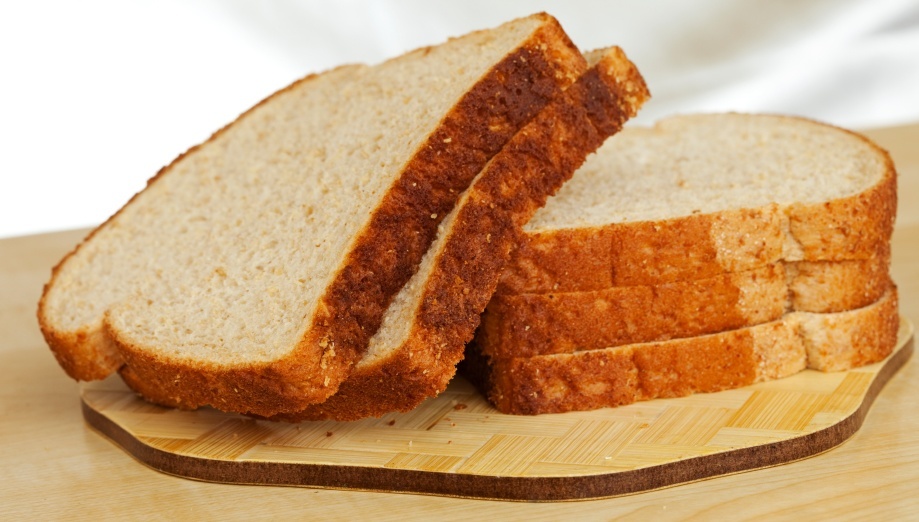
Nowadays you can’t open a magazine without reading about the dangers of gluten. According to the hype there’s no end to its evils. Many people even say gluten causes acne. Should you take these claims seriously and abandon your daily bread?
The short story is that gluten can cause problems for a portion of acne patients, but it’s by no means a problem for everyone. Those with persistent acne that resists other treatments should try gluten-free diet for at least for a few weeks.
In this post I’ll give you a level-headed account of the evidence, and hopefully help you to understand if gluten causes problems for you.
What is gluten
Gluten is a common protein found in wheat and related grains. It’s the substance that makes bread dough sticky. And because it’s sticky it’s also used as binding agents in many personal care products, for example there can be gluten in your shampoo, toothpaste and makeup.
Common gluten sources:
- Wheat
- Barley
- Rye
- Spelt
- Oats (as a result of contamination)
- Imitation meats
Exposure to most gluten comes from eating grains. However many processed foods contain either wheat flour or gluten, so you may be exposed to gluten even from non-grain foods. Celiac.com has an extensive ‘unsafe foods list’.
What is gluten sensitivity
Gluten sensitivity refers to a condition where the immune system reacts negatively to gluten. This causes an inflammatory reaction in the gut and over time can lead to severe small intestine damage. Celiac disease is a severe form of gluten sensitivity where the reaction is immediate and often very painful. In this article we’ll focus more on gluten sensitivity that is much harder to pin down due to lack of clear symptoms.
Common symptoms
People who are gluten sensitive don’t often get immediate symptoms. However symptoms like these can manifest over time.
- Headaches
- Skin problems
- Digestive problems
- General weakness
- Neurological issues
- Joint and muscle pain
Can gluten cause acne
Dermatologists often dismiss people who say gluten causes their acne. That’s because gluten sensitivity isn’t always linked to visible and measurable small intestine damage (as is the case with celiac disease). Celiac disease often also comes with other symptoms that are absent from gluten sensitive people.
Silent gluten sensitivity
It’s not becoming obvious that doctors have dismissed these claims too early. Researchers are identifying what they call ‘silent gluten sensitivity’. People suffering from this don’t exhibit the normal range of symptoms of celiac disease. And yet, eating gluten causes real problems for these people. Wikipedia states that approximately 6% of the population can suffer from this silent form of gluten sensitivity, whereas celiac disease affects less than 1%.
This silent form of gluten sensitivity can be diagnosed by measuring antibodies against gluten (medically known as anti-gliadin antibodies or AGA for short).
How gluten can cause acne
In the gut-skin axis page I explained the importance of gut health on acne. Gut problems can increase systemic inflammation and deplete your antioxidant reserves, and this can indirectly hurt your skin. These problems are much more common among acne patients than the general population.
There are no studies on the gluten-acne connection, so we can only speculate here. It’s my guess that gluten causes damage to the small and large intestines (this has been proven by countless studies), and through that way aggravates acne.
Gluten and other skin conditions
There are no studies measuring the effect of gluten on acne, but we can draw some conclusions based on studies of other skin conditions. We can do this because most skin conditions are affected by inflammation. So if something aggravates eczema inflammation there’s a good chance the same thing also aggravates acne in acne-prone people.
So here are a few studies linking gluten to other skin conditions:
- A Swedish study found that 16% of psoriasis patients are gluten sensitive. In a follow up study the researchers compared gluten sensitive (AGA+) psoriasis patients to psoriasis patients without gluten sensitivity (AGA-). After 3 months of gluten-free diet the AGA+ people had significant decline in psoriasis severity while the AGA- people showed no improvements. And when they went back to their normal diet psoriasis started worsening in more than 50% of the AGA+ people.
- An Egyptian study found that psoriasis patients were much more likely to be gluten sensitive than healthy controls. An Indian study found similar results.
- One study found that psoriasis severity correlates with gluten sensitivity. So as gluten sensitivity gets worse so does psoriasis.
- Several studies have linked dermatitis herpetiformis (DH) to gluten sensitivity. DH is often called as celiac disease of the skin.
There are of course negative studies also (science is messy with contradicting studies). One reason is that gluten sensitivity is not an issue for everybody. It affects a portion of the people, and for those people it can cause real problems (acne and other skin conditions included).
How do I know if I’m gluten sensitive?
I’m not aware of any home test for gluten sensitivity. You can talk to your doctor about getting tested for gluten antibodies, which, to my knowledge, is the best way to diagnose gluten sensitivity.
There are also common risk factors:
- Caucasians, especially those from Northern European origin, are at higher risk than people from other races.
- Having a first-degree relative with celiac disease.
- You consistently get digestive problems of discomfort after eating gluten.
Elimination diet
Elimination diet is another ways to test how your skin reacts to gluten. Cut gluten out of your diet for some time and see what happens to your skin. How long should you stay off gluten? I would assume that many people see some improvements in the first 3 to 4 weeks, but some people in the comments mentioned having to wait for 2 months before their acne got better.
Do you have to go 100% gluten-free?
So what to do if you discovered you are gluten sensitive? Do you have to go 100% gluten-free for the rest of your life?
I don’t think I can give you a simple and clear-cut answer to this. People vary in how sensitive they are to gluten. Some people (me included) can tolerate some wheat products every now and then. Personally I don’t bother with avoiding hidden sources of gluten. The amounts from those sources are much smaller than what you get from eating gluten-containing grains. I avoid (most of the time) the major sources of gluten (wheat, rye and related grains) and leave it at that. This works for me and I’m not too bothered about the occasional pimple I get.
You, of course, have to find your own balance between convenience and skin health. And you can only find it through experimentation and trial and error. Start with the elimination diet for 3 to 4 weeks and then experiment with adding small amounts of gluten back to your diet (if you wish) and see what happens.
What about oats?
So-called pure oats don’t contain gluten. However the problem is that oats are often processed with the same machinery that handles wheat. So oats often get contaminated with gluten in the process. This gluten contamination can cause problems for celiac sufferers, and possibly even to those with gluten sensitivity.
Pure oats that are certified gluten-free should be ok to eat. A Healthy Canada study concluded this:
Based on the majority of the evidence provided in the scientific database, and despite the limitations, Health Canada and the Canadian Celiac Association (CCA) concluded that the majority of people with celiac disease can tolerate moderate amounts of pure oats.
Introduction of oats in the diet of individuals with celiac disease: a systematic review.
Exercise caution with oats. Choose oats labelled gluten-free and by all accounts you should be fine.
Conclusion
There’s a good reason to believe gluten causes problems for a portion of acne patients and remain completely safe to eat for others. For people who are sensitive to it, gluten causes damage to the small and large intestines, leading to leaky gut syndrome. This increases systemic inflammation, depletes antioxidants and though that way aggravates acne.
Gluten is a fairly common trigger for people suffering from persistent acne that resists other treatments. That’s why I recommend anyone with persistent acne to abstain from gluten for 3 to 4 weeks. This should be enough to assess how your skin reacts to it. If sensitive, the only known remedy is to avoid eating gluten.

Green Tea and change my diet helped me a lot with my breakouts. Eating like a “normal” person it’s not possible without new pimples for me and it is very hard for me to find “good food” to eat specially when I’m out of home. For one week I ate only fruits and vegetables and some bread and mayonnaise for dinner and I got 0 acne. Apple and Green Tea seems to be the best for me and Milk and protein products (like Nestun, Whey protein, Corn Flakes or anything related to milk) seems to cause me HUGE pimples specially cheese and ice cream.
Thanks for this website and I found several good information that is helping me to get rip of the acne. I’m 32 years old and have acne since I’m 13. I still dream with the day the acne is completely gone forever but I didn’t knew the cause of problem before. Diet/nutrition is the key. My next step will be add Vitamin B and see if that helps.
Any idea why Apples help the skin and get rip of the acne so much?. Thanks again 🙂
Thanks for sharing your experience John.
With B vitamins do you mean megadosing vitamin B5? If so, I’m little skeptical that it does anything. I wrote about it here: /vitamin-b5-acne-skeptical-view/
Not saying it cannot work, just that I’m very skeptical of it.
Hard to say why apples would help. Perhaps it’s just the fiber that keeps your bowels moving and gut healthy? Apples do ahve some vitamins but I don’t think there’s anything so special about them.
Apples would help acne because they have a source of vitamin A, which is what Accutane (the acne “cure”) is made of (synthetically). So it can be argued that eating a lot of apples, or an apple a day, would help your skin. Women often claim it will give you a rosy look in your cheeks.
I doubt that one could get enough vitamin A from apples to make a differences. Not to mention that the vitamin A in apples is in a different format than in Accutane.
Hi Seppo,
It’s been a while since my last reply and just want to let you know that my acne got a lot better in the last few days thanks to the green tea. I’m not getting big pimples anymore in my face and I have changed my diet a little (I’m trying to avoid proteins, milk, coke and fried foods).
Last year I took Whey Protein trying to make my muscles grow faster and It was one of the worst mistakes. I got horrible breakouts from the whey protein like never before but fortunately I’m a lot better now thanks to the green tea, apples and change of diet. I still eat some fast food but just one or twice per week.
Thanks a lot for this incredible site!
Happy to hear that your skin is doing so much better. Keep up the good work!
I have suffered from acne forever and I also have hydradenitis supprativa. I want to try a gluten free diet and I think that for anyone who would also like to try it they should probably do so for longer than 4 weeks. I think 3 months would be the bare minimum. 3 months is the common amount of time that it takes a substance to completely clear itself from your body. So someone who eats a diet high in gluten would not see any benefits after only 4 weeks because there intestines might still be saturated with it. Its effects would also not have had sufficient time to stop.
3-6 months is really how long you would want to try a diet change and be 100% certain of the results.
It’s true that it’s going to take more than a few weeks to really see the effects of gluten-free diet. But if you haven’t seen any effects in the first 3 weeks I’m not sure that going longer will make a difference. Perhaps for some people with more severe gluten sensitivity it will, but I think that for people with mild and rather hard to notice gluten sensitivity 3 weeks should be enough to notice a difference.
If someone is both dairy and gluten intolorant, they will solve only half the problem by taking away the gluten and not the dairy. They might not see any improvements because of the dairy.
Another problem is citric acid from canned/processed foods.
Even if someone is intolerant to both gluten and dairy I would expect them to see some results after removing gluten. Anyway, I do agree that this is not a perfect method, but there really are no perfect and easy solutions to acne. I’ve never heard citric acid causing acne.
I too break out from gluten and have terrible stomach problems and acne from dairy, even lactose free dairy. But the culprit which took years for me to figure out was my garlic allergy. It is even more pervasive than wheat in foods. It caused my stomach and intestines to continually produce so much gas my size 0 body would look pregnant. Garlic showed up in an allergy blood test that a homeopathic doctor ordered, however my gluten and milk sensitivities did not. I am also able to eat goat cheese without any problems. I hope some of my discoveries help others.
Thanks for sharing your experience, Angie.
Though I have to say that I have serious doubts that you are actually allergic to garlic. The allergy and sensitivity tests offered by homeopaths, naturopaths and other alt-med practitioners are notoriously unreliable. Almost all of them have been tested scientifically and found to be of no use.
More likely explanation is that the FODMAPs (poorly digested and absorbed sugars) in garlic irritate your gut. I get the same thing with onions. I get bloated, gassy and constipated after eating onions.
Anyway, whether this is an allergy or FODMAP issue doesn’t make any practical difference. You still have to avoid garlic.
Cutting out gluten was the single most important dietary change I’ve made that really helped me (and I thank you for that). Gluten wasn’t responsible for 100% of my acne but a gluten free diet is what helps me keep my forehead clear of cystic acne. Actually as soon I get a cystic kind of pimple on my forehead, I check if some of the foods I’ve had recently is a hidden source of gluten – and without fail it turns out it is! Sugar also causes me some breakouts but not always and it never causes me cystic acne. I actually really love bread and would love to eat it occasionally but even a bit of flour in meatballs causes me awful pimples that don’t go away for at least a week. But gluten has no effect on my acne on the cheeks – I have discovered that I break out there (again, awful, cystic pimples) because of poor sleep (even if I sleep enough hours if I go to bed at 3 am for a week, my cheeks become awful) and also hormonal changes during my cycle but again, poor sleep is the culprit here. I’m actually not sure if dairy is that bad for me – commercial yoghurt does cause me to break out but home made yoghurt is ok. I still don’t have the guts to try cheese – I love it but I don’t want to risk new pimples. So, you can say so far that gluten is the number one evil for me:)
Thanks for sharing your experience, Tree!
Maybe I should also add that I’m on the autism spectrum. If I’m a part of the less than 1% women with Asperger’s syndrome, then I’m also maybe a part of those between 6 and 30% people with non-celiac gluten sensitivity. Damn it. At least I’m lean without any effort, if we look at it in a positive way, haha. Anyway, I do love bread but I don’t miss it so much. Also, I have noticed another thing – my skin is much worse if I don’t eat meat. I don’t know if that’s because of the meat itself or the other things I eat instead. But some time ago my hemoglobin was below the norm and doctors told me I’m anaemic. I had another blood test recently (not that I wanted to, I just had to) and my hemoglobin was not only normal but in the higher range. I had done nothing special about it, just eating meat or fish every day, I hate greens so it can’t be anything else. I know this is a post about gluten but I hope it can be useful to someone or help you, Seppo, to find some research on this. And Btw, I don’t do low carb, I lose weight too easily and I also can never have enough meat to feel full (it would be too expensive). Which brings me to the question if too much appetite and feeling fatigued while hungry is a symptom for some insulin problem? My BMI is 18.5, my fasting glucose is 83, it doesn’t look insulin is such a problem but who knows? I’m sorry, I know I asked too many questions.
I know it sucks to have digestive system that has difficulties processing common foods. Makes life a lot harder.
If you need bread alternatives look at paleo and low carb sites for recipes. I regularly bake my own almond/coconut/flax seed bread. It’s not as convenient as getting it from supermarket, but at least I can avoid irritating my gut and overloading my body with carbs.
Hard to say what could it be about meat that makes it so good for your skin. It could be zinc or it could be that whatever you replace meat with is bad for your skin. There’s no research on iron levels and acne, so can’t say about that.
Feeling fatigued while hungry could be a sign of low blood sugar, but you have to get it checked by a doctor. Blood sugar readings alone won’t tell you if you have glucose metabolic problems. I’ve seen several studies where blood sugar levels were similar between groups but insulin levels varied as much as 3 to 5 times. People at risk of developing diabetes and metabolic syndrome may not have abnormal fasting glucose levels (or even abnormal oral glucose tolerance test) but they may require much more insulin to maintain those results. To get a comprehensive picture of your glucose metabolism you also need to know your insulin level. Makes sense?
Well, actually I can live without bread, I think it was more of an addiction although well baked bread is too luring. If I don’t see it, I don’t miss it. However, I always dismissed any advice to stop eating meat – I just couldn’t do it. I tried to cut it down but it had no effect. Then I discovered paleo and they said it’s ok to eat meat so I loved it immediately and stopped feeling guilty every time I indulged in meat or bone broth. It’s too much work to bake my own bread and I’d rather spend this time preparing bone broth, beans soup or something else I like. The problem when eating out is that they often use flour when preparing meat – that’s annoying!
Omg, I didn’t know that I also need to get my insulin tested. So you mean I have to give money for being hungry for 8 hours before the test and then feeling some needle? And Btw, I was feeling fatigued when they took my blood – it was 3 pm, I hadn’t eaten anything all day, I hadn’t slept well. I was feeling terrible, only a big meal after that saved my mood. I don’t know if this has anything to do with my asperger’s, I’m definitely more prone to meltdowns when I’m hungry, I also can’t concentrate, once I almost passed out in my yoga class in the morning. I’m not sure this is normal, I just think about food all day.
Making my own bread actually doesn’t take that long. Since it doesn’t use yeast or anything like that you don’t have to wait for the dough to rise. It takes me about 10 minutes to mix everything together and 30 minutes to bake the bread. I eat 4 to 5 days from 1 loaf.
I would rather not comment anything on why you feel hungry and irritated when you go hungry. I just don’t know enough to say anything useful.
I had two types of acne for almost 10 years, starting in my 20s. I came to the end of the solutions which my doctor could offer unless I was willing to go the accutane/hormone route, which i was resolute that I wouldn’t. I went away and spent a year focussing on my diet. Healthy eating and low GI didn’t help. Two things however totally eradicated my acne.
First i substituted cows milk for goats milk and eventually moved to hemp and rice milk, both the cows milk substitutes removed 90% of the acne, my chest, back, greasy ears and full face bar my chin which suffered from the second, different type of acne. This acne was caused by bread and produced very deep, blind spots that took months to surface. Both white and whole bread saw terrible face deforming chin acne.
I do not know what elements in dairy and bread caused my acne but living without them is easy once i saw the results. I also wonder how this affected my hormones and fertility. I believe the key to curing acne is in the diet for many. Each time I gave up a negative food group i saw the results within a month. I encourage every acne sufferer to try and cut out the foods they eat the most as they could be the cure.
Good luck on your journey everyone.
Thanks for sharing your experience, Jennifer.
Eating bread or whole wheat bagels = spots for me! I am a vegan and so I know for a fact it’s not dairy, sugar etc It’s even worse if I eat white bread, which I tend to avoid. However, the only symptom I do receive from eating wholemeal bread/bagels is the spotty skin and nothing else…shame as it’s a good food to have at lunch time 🙁
I know how you feel, Cindy. I also like bread and I haven’t noticed any other bad effects from it but maybe I just wasn’t paying attention. I thought I had abdominal fat but actually I was just always bloated and constipated. I think gluten contributed to that. Plus, I can’t even feel full without bread so it’s even more difficult to avoid it. Maybe I even have Celiac, I don’t know, I don’t want to go through the testing.
Eat more rice and sweet potatoes. This is what I substitute bread with. White rice is easy and fast to prepare and you can add anything to it.
Hi there 🙂
I had a few acne occasionally before; i ate lot of bread some sugar and white rice, sometimes fruits and vegetables;
Few months ago i moved to another place, i started using lots of diary and breads and ,fruits and vegetables;i noticed lots of acne around mouth(the only place that i got acne)
a few week ago i ate constantly fried meat for 3 days(2 day red meat and third day chicken); and noticed tones of acne and red dots around mouth and even on my nose and under eyes which i had never such amount of acne ;
Now i am diary free, gluten free, and meat free and i just eat sometimes a little white rice; for nearly 3 week and i have great improvement; i need have meat on my diet but that is big risk in my case; maybe i have to avoid fried meat?
My question is anybody tried gluten free products?can we have gluten free breads and dairy free butter and cheese from stores?
I literally cut(bread; rice,meat, cheese) 90 % of my main food and i am living with raw vegetables and fruits for 3 weeks; i always feel hungry! i need some simple recipes for make some dish during week;
I wish to have some nuts as well(almond and walnuts)
Why do you feel you have to cut out so many foods? Meat usually doesn’t cause acne. I strongly recommend against heavily restricted diets, like what you are doing now. They usually cause far more harm than they help.
Hi Seppo;
Thanks for reply;
After consuming meat for 3 days i’ve got lots of weird red dots (dozen of some sort of red cystic acne(they were really weird, without any liquid) ) I had never before;
used to be i ate lots of Foods Containing Gluten and dairy and rarely meat, and i was fine!
In my case i think, high calorie food (specially greasy foods cause lots of oil on my face and then acne )
I feel like extreme hormonal imbalance happen to me suddenly at the age of 28
I’m introducing more and more food and testing them
It seems, i am fine with fish tuna; i”ll gonna try meat again 🙂 ;
Have you tried gluten free bread and dairy free cheese and butter?
Gluten is not a problem for everybody. As you mentioned, you used to eat a lot of gluten containing foods and were just fine. I haven’t had gluten free bread since it’s hard to find here (Thailand). I don’t think gluten causes problems for me so when I feel like eating bread I just eat normal bread.
I agree with the post recommending that if you’re going to go gluten-free, do so for longer than 3-4 weeks. I did this elimination diet and really began to see undeniable, noticeable results at the 2 month marker. That marked improvement inspired me to stay gluten-free permanently…and my years of persistent acne that failed to respond to any dermatologist’s ministrations (including Accutane), simply and quickly faded away.
Had I only waited 3-4 weeks, the results would not have been so obvious and I probably would have quit the diet. And then I would still be an unhappy, pimply camper.
Thanks for sharing your experience. I updated the post to reflect this.
I think it’s wise for everyone who suspects gluten might be problematic for them to get tested for celiac first before going on a gluten free diet. You must have gluten in your diet to get the test otherwise you can have a false negative. I now really want to get tested but since I’ve been (mostly) gluten free for nearly 2 years (I never cheated but I did consume gluten without knowing it’s gluten for which my skin never failed to punish me) I need to consume gluten for 3 months before the test can be accurate and I most definitely don’t want that! An official diagnosis of celiac is always an advantage even if just to explain to my family why I don’t eat gluten. Of course, even without celiac, gluten still can be a problem for you and can cause acne obviously but if it’s celiac you need to know it is celiac. My hope now is a new test for which you only need to consume gluten for 2-3 days. However, the research on this test is still very preliminary so you are better off getting tested before going gluten free. You can still try going gluten free after a negative result and see how your skin will react.
In principle this is a good idea, but I’m not sure how well it works in practice. Depends on the doc who diagnoses you. If you get a stubborn old doc who doesn’t recognize anything beyond strict celiac disease then you may get a false negative. It seems that what’s popularly known as gluten sensitivity could be a mild or precursor form of celiac disease. If you have that, but not a full-blown celiac, you may suffer a bad reaction to gluten despite the test coming back as negative.
Yes, you can still have gluten sensitivity and gluten can still be a problem for you and the main reason behind your acne even if you don’t have Celiac. However, I think you should know if you really have it or not. I think I do have it but now I am trapped and I can’t get tested. Even if I don’t have Celiac, I am still not going to consume gluten but it will be beneficial to know if I have it or not (even if just to remind my family members to get tested). So go and get the test done and if it comes back negative, try the elimination diet.
If you are trying a gluten free diet, remember that you should also not kiss anyone who has had gluten (even beer). Another reason to get tested. Some people will not take this seriously enough.
Hello;
I am gluten free dairy free for two months and still get new acne;
I found meat make me acne as well ( how you cook foods are important as well)
I think whatever that have, Calorie and oil cause me acne;
The only diet that clear me up in a few days is eating just raw Fruits + Vegetables;
Good luck;
I’ve had adult acne (mild to moderate) since my 20s and I am considering trying a gluten-free diet after recently talking to my cousin, who is gluten-intolerant. He told me that he breaks out in cystic acne if he eats bread or drinks beer. We are both of Polish/Dutch descent. I never knew Northern Europeans were more susceptible to gluten intolerance until I read this article.
I tried giving up dairy and my skin showed no change. Back in 2003, I did the Atkins diet for a full six months and my skin did improve, but of course I didn’t associate that with a low gluten intake but I wasn’t eating much bread at the time. So I am definitely going to try going a no-gluten diet.
Thanks for sharing your experience, Amy. Keep us posted on how it’s working for you.
Hi Seppo
I’m not sure if eating wheat bread would aggravate acne but I was curious what your thoughts are on wheat bread that is flourless. There is a bread from Alvarado Street Bakery that has a bread called Diabetic Lifestyle which is made of sprouted organic whole wheat berries and made with no flour.
https://alvaradostreetbakery.com/product_detail.php?id=25
It does contain wheat gluten but maybe the only good thing is because of the no flour it cuts down on the glycemic level. I was thinking it might be an alternative to regular bread. I don’t know if it would be better for people with acne.
IF your problem indeed is gluten then that bread could help. But there’s some evidence to suggest that people who believe they are sensitive to gluten may not actually be. Wheat has also other stuff that can cause problems, such as FODMAPs. So people who believe they are gluten sensitive may actually have FODMAP sensitivity or something similar. But in either case it makes sense to avoid wheat.
It is a confusing subject. Regarding this bread, I had been thinking just the opposite. I thought it still would not be desirable for people with actual gluten sensitivities because it does contain wheat gluten but I thought for worries regarding acne or blood sugar problems the bread would be good because of its very low glycemic index. I recently am hearing that some researchers are stating now that unless one actually has celiac disease no one is actually gluten sensitive. The confusion continues!
Yes, in terms of low GI that bread would be good for the skin. For people with no gut issues or gluten sensitivity that’s probably a very good choice.
There’s no solid scientific consensus on non-celiac gluten sensitivity yet, there are studies to support both viewpoints. Many people who believe they have gluten sensitivity may actually have problems with some other substances found in wheat and grain. But it’s all getting lumped under ‘gluten sensitivity’ and that’s why studies often show conflicting results.
I have never had great skin, but at 30 I began having really bad “adult” acne, i.e. cystic acne. Topicals did not help much. I tried many. I was also a vegetarian for years and my diet consisted in large part of wheat products- cereal or bread for b’fast, bran muffin or bagel for lunch, and fake meat (wheat gluten based) and/or an entire loaf of artisan bread for dinner (also an avid exerciser…).
I somehow came across info on the possibility of wheat being an acne trigger. Though it was hard, stopped all wheat for a week. One week. In that week the cysts I had cleared up and no new ones appeared.
I have gone back and forth with wheat in the years since that experiment. If I eat I start eating it regularly, the cysts come back. After longer periods of no wheat, I was amazed to find that what had been chronic knee pain also disappeared.WTF, right?!
I read the backlash against gluten sensitivity and realize that many people have erroneously jumped on the gf bandwagon for no apparent reason. But in my case , the difference has been very noticeable. I still eat wheat sometimes, but I am careful, as more than a couple days leads to a recurrence of joint pain and the lovely cysts.
I’ve tested this many, many times (I LOVE bread!!!), and after several years, I’ve finally accepted that I just cannot eat wheat more than occasionally. It sucks. But on the other hand, my skin is much better and the pain that would not go away with physical therapy is much, much better, so the trade off is worth it.
Thanks for sharing your experience! However, I would be careful before jumping into conclusions that your problems are caused by gluten. I’m not denying your experience or anything like that, just pointing out that there could be other explanations to what you’ve experienced. As I pointed out in a comment above, wheat contains also other substances that can be problematic. So you may in fact react to something other than gluten. But none of this changes the fact that you are better off without wheat in your diet.
You might have a full blown celiac disease. Why don’t you get tested? If you are celiac even a little bit of gluten occasionally is a big no no.
I really want to get tested but I’m terrified of eating gluten for three months and having a pizza face. I got a typical gluten pimple just from kissing someone who had had beer.
Just to say that I fully endorse your analysis here.
I have 70% improved the impact of my Ankylosing Spondylitis arthritis pains and inflammation by avoiding both Wheat and Corn.
You mention that gluten free is good for those that don’t improve with other treatments – but I am biased and think of it the other way around. Why not try gluten free first?
There is a great talk by a top doctor called Alesso Fasano that describes how a protein in wheat call gliadin increases intestinal permeability in EVERYBODY not just celaics – I believe this will prove to be a factor in many conditions including Acne.
Thanks for your comment Sean. The reason I don’t recommend gluten free first is that it can make life a bit difficult. Furthermore, there’s some controversy about how common gluten sensitivity actually is. As these studies show, it’s an issue for some people.
On the other hand, last year a study looked at people who claimed to have gluten sensitivity. It found that most of the participants showed no specific reaction to gluten. The people were challenged 4 times (2 times with gluten and 2 times with whey protein as placebo). I think 1 person reacted negatively to gluten both times. Others sometimes reacted badly to gluten and sometimes to whey. It’s a classic nosebo response.
It’s possible, maybe even likely, that people mistake gluten sensitivity for FODMAP sensitivity. Such a person might still react badly to wheat, not because of gluten but because wheat also has a lot of FODMAPs.
It can be quite tricky to pin down what, if any, you react badly to. That’s why I recommend approaching these things cautiously and with an open mind.
My 14 year old daughter has severe acne, eczema and stomach aches. We’ve practically lived at the dermatologist’s office for the greater part of a year. Between the pediatrician and the dermatologist, no one concluded that all her symptoms are related and has something to do with the food she’s eating. I have an appointment with an allergist to get her tested but strongly feel that it’s gluten. I’ve taken her off of dairy, she was lactose intolerant anyway, and although she’s not completely off (can’t control what teens eat 100% of the time) she has noticed that her eczema doesn’t itch as much.
I wanted to thank you for this article as it solidifies what I’m already intuiting.
Happy to help, and glad to hear your daughter is doing better 🙂
Hello.
I am 15 years old and ofc got acne for hmm 3 or 4 years! I know I am still teenager and it is normal because of hormons etc. but can’t look in the mirror sometimes. Sometimes is better and sometimes it is getting horrible for me. I started gluten free diet week ago (but i was on this diet some weeks ago but gave up :/ ) BUT I noticed that my skin on face wasn’t itches. When I gave up it came back. And now I am back on diet and my skin don’t itches. I make my own gluten free bread and don’t eat gluten products. I will see if this really helps me but I need to wait longer to see any more results. I am not giving up.
P.S. Sorry for my english 😉
Good luck with it. I hope it works for you!
> I know I am still teenager and it is normal because of
> hormons etc.
I would not call acne normal, but rather a disease of civilisation. Most indigenous peoples with a traditional lifestyle were not affected by skin and teeth diseases. I also read about a low acne incidence among Japanese people who eat traditional food.
Thus, there must be acne causes inherent to the Western lifestyle.
The belief that acne heals on its own after adolescence seems to be widely spread. However, this is not the case for many affected people and often just delays taking action against the sickness by several years (as in my case). Thus, I find it irresponsible to spread such myths.
During several months of reasearch and experiments, I tracked down the possible causes to those three items:
– SLS (sodium laureth/lauryl sulfate), a chemical present in nearly all shampoos. SLS is highly skin-irritating and comedogenic (documented by studies). I stopped using shampoo and all(!) blackheads were gone within two weeks. I regard comedogenic shampoos as the only cause of blackheads.
– Some of the lectins present in grains; namely gluten, and generally chitin-binding lectins (WGA, wheat germ agglutin, in the case of grains) or chitinase. Chitin-binding lectins can also be found in potatoes. Peanuts may also cause acne and they contain a lot of detrimental lectins.
– Substances present in nightshades. Nightshades have a variety of adverse effects on health as their alkaloids promote inflammation and arthritis.
I am sure that SLS causes blackheads and this was easy to prove experimentally. Nutrition also provides a major influence on acne severity, which was shown in studies. I can confirm this, because shampoo was the last thing I started to avoid.
If you want to want to try to avoid some of the mentioned items, here there is some advice: I would at first replace SLS shampoo by «SLS free shampoo». Avoiding shampoo at all for hair and face is possible («nopoo») and is not unhygienic. However, skin and hair need several weeks to adjust and will be very greasy during this time. That is why unless you have very short hair, I would replace the shampoo and apply it in increasingly long periods. Do not forget to comb the hair.
When the blackheads are gone, I would try out to either remove grains or nightshades.
Rice may be safe. This is supported by the fact that there are fewer acne incidences in (traditional) Asia. Moreover, cooked sweet potates are a safe source of carbohydrates. If you lack energy input because of missing carbohydrates, pour a lot of olive oil over the meal, cook/fry with much lard and eat very fatty meat/fish.
Avoiding the aforementioned substances basically cured my acne completely. Unfortunately, the pimples did not vanish from one day to another, but their amount decreased significantly within some weeks. Now there are only new pimples if I shave wet.
Before removing food items, I tried to supplement some, like a lot of salad, berries as sources of antioxidants, onions/garlic as inflammation inhibitors, Vitamin D. A positive effect was small or absent.
Avoiding milk had some effect, mainly on the skin of the back, but did not heal acne completely. I assume that the hormones promoted by milk consumption only amplify the real causes of acne.
Based on my personal experience, I can only suspect whether grains, nightshades or both foods provide the biggest influcence on skin. According to many comments with personal experience in fora and blogs, both food items can aggravate acne.
Studies have shown that lowcarb diets diminish acne. However, I doubt that the carbohydrates are the cause of acne. By avoiding carbohydrates, one automatically decreases the consumption of grains and nightshades. Another plausible effect of milk and and carbohydrates is that they affect sebum outflow, sebum composition and therefore _influence_ the severity of acne, but are not a cause. Note that there were indigenous people who got 70 % of their energy from carbohydrates in sweet potatoes and of couse did not suffer from acne.
In some comments, I read about avoiding meat. There is no evidence that increased consumption of unprocessed(!) meat has adverse effects on health/skin. Rather the contrary is true. There is just a lot of misinformation and propaganda concerning health effects of meat consumption.
For me, I found wheat to be the cause before I read about it somewhere. I’m 32, I’m bald, and I would get breakouts on the back of my head and forehead. I had acne as a teen but it all went away in my early twenties and late teens. I had come down with debilitating health issues at 25 or 26 of an unknown origin. I knew many foods including wheat exaggerated the issues. About 6 months ago I finally noticed if I didn’t eat wheat I got at least 90 percent less acne. Many people might just be riding the gluten hype train and many ignorant people complain about picky eaters and stating they have no medical proof that wheat is an issue. I don’t need a doctor to say I don’t have an issue with wheat. I have physical evidence that if I eat wheat I get acne until I’m clean of it for about 3 days. The proof is in the pudding.